A single duct run rarely sets off alarms for a property manager. It does not show up as a bright red exception on a dashboard. It just loads the filters a bit faster, nudges the fan a little harder, and turns occupant complaints into a low hum of “stuffy” and “why does my office smell like a wet vacuum.” Now scale that to a portfolio of twenty buildings with different ages, different uses, and a patchwork of fit-outs. Small inefficiencies become real dollars. Nuisance complaints become lease risks. And what felt like an HVAC maintenance footnote turns into a strategic lever you can pull if you treat commercial duct cleaning like a managed program, not a sporadic chore.
This is not a pitch to clean everything sight unseen. Thick dust is not a villain worth defeating at any price. What you want is a structure that separates high-value cleaning from nice-to-have cleaning, that ties to energy and risk metrics you can defend, and that does not require you to camp in mechanical rooms.
The portfolio lens, not the single-site trap
A one-building mindset says, “Call a vendor when the returns look gross.” A portfolio mindset says, “Standardize inspection data, create risk tiers, and schedule work to align with capital projects and tenant moves.” The first approach fights fires. The second shrinks your to-do list in six months because patterns emerge. You will spot the four buildings with lined duct that sheds fibers when disturbed, the two towers with under-sized returns that load fast on every floor, and the retail properties whose kitchens fog everything downstream if hoods are not dialed in.
I learned this the blunt way managing a mixed set of downtown assets. We used to approve duct cleaning whenever a facilities lead sent photos with a finger swipe across a grimy register. After we started tracking static pressure and filter delta-P across all sites, we realized the dirtiest-looking grilles were often cosmetic. Meanwhile, a beige corporate lobby that looked spotless was hiding a set of return trunks caked enough to bump fan power several kilowatts on peak days. Photos help, but data lets you spend money where it returns.
What actually hides in ducts, by property type
Office stacks: Paper dust and carpet fibers dominate, plus drywall powder if you have active TI work. The real driver is occupancy density and cleaning practices. If daytime cleaning crews dust aggressively, you will see more in low level returns. Most of this debris is harmless but accumulates heavily around turns and transitions.
Retail and mixed use: Entrances pull street grit. Door cycles bring in black carbon from traffic. If you share a shaft with a food tenant, aerosolized grease finds a way, especially if a curb fan cannot hold negative pressure.
Industrial and logistics: Think pallet dust, fork truck exhaust residue, and seasonal pollen by the bagful. Filters do their job, until they do not, and then elbows become silt traps.
Healthcare and labs: Protocols often over-filter, which helps the ducts stay cleaner than the stereotype. The risk is not “dirty ducts,” it is any action that releases fibers, dust, or biocide scent into a sensitive environment. Cleaning here means containment and documentation, not “make it sparkle.”
Hospitality and multi-tenant residential: Lint and dander add up. Laundry exhausts can be a separate love letter, best managed as their own risk line. Bedrooms with packaged terminal units do not give you drama, but common area returns do.
You will also meet the ghosts of specifications past. Older buildings with internally lined duct look fine until you touch them and the surface flakes. I have seen a well-intended crew turn a quiet system into a confetti cannon by using the wrong brush on aged fiberglass. The fix is gentle methods and, in some cases, replacing sections outright.
A practical way to rank what to clean
Pretend every duct system is auditioning for your time. Some get a yes, most get a maybe, a few get a not this year. The trick is to move beyond vibes. You already trend runtime hours, chillers, and pumps. Do the same with what signals duct condition and impact.
Here is a short scoring framework I have used when triaging a portfolio. Assign each item a 1 to 5 based on data or inspection notes, Advanced Environmental Service then prioritize buildings with a total score above a chosen threshold.
- Measured impact on fans: persistent high static pressure compared to design, rising VFD speed at similar loads, or filter delta-P that climbs faster than expected. Occupant risk: critical uses like clinics or daycare areas, high complaint floors, or tenants with IAQ clauses in their leases. System age and duct type: internally lined duct, old mastic, patched access doors, or original 1980s trunk with a thousand secrets. Dirt load indicators: borescope photos of turning vanes and transitions, return plenum dust depth, and supply diffuser streaking patterns. Upcoming events: tenant move-ins, carpeting or drywall work, or scheduled coil replacements where cleaning would reduce re-soiling.
Five minutes per air handler with a handheld manometer, a phone camera, and last season’s VFD trend tells you more than a glossy sales brochure ever will.
Frequency is not a religion
Vendors sometimes lean on fixed yearly schedules. That is tidy for a contract. It is rarely optimal for a portfolio. Cleaning intervals belong to usage and risk.
If your office tower filters run four changes a year and hold stable static, you can often stretch duct cleaning to every three to five years, focusing on returns, main trunks, and coil faces. In a retail podium with doors that behave like vacuum pumps on windy days, you might clean every one to two years in the lowest levels and near entrances, while leaving mid-level supplies alone for twice that long. Construction is its own trigger. After any dusty TI phase, inspect, then clean targeted sections before the space re-opens, not three months later when the tenant calls about a grit film on desks.
There are also times to pause. If a building is about to swap out main AHUs or rip out three floors for a new anchor tenant, do not invest in a deep clean two months before demo. Use temporary filtration and preventive measures instead.
Integration with the rest of HVAC care
Duct cleaning on an island makes little sense. If coils are matted, VAV boxes are misbehaving, or outside air dampers have been stuck half shut since 2015, you can vacuum every inch of trunk and still feel like nothing changed. I pair cleaning with three low-friction checks:
First, measure coil delta-P and clean coils as needed. A fouled coil is often the real restriction. When we cleaned ducts and left coils alone at one mid-rise, fan speeds hardly budged. We cleaned the coils a month later and saw a clear drop in speed at the same CFM.
Second, verify balancing data if it is more than five years old, especially after major tenant moves. Rebalance ensures you do not interpret bad air distribution as a cleanliness problem.
Third, look at outside air and economizer functions. If you run higher OA in cool seasons, you might see more dust in shoulder months. That is a settings conversation, not just a cleaning one.
Standards matter too. NADCA ACR provides cleaning and verification guidance. SMACNA covers access doors and proper sealing. Lean on these so submittals and QA do not turn into interpretive dance.
Budgeting that does not surprise you in Q3
Most managers ask the same two questions. How much does it cost, and how much energy do I save. On cost, plan with ranges. Across a typical office portfolio in North America, I see pricing from 0.20 to 0.60 dollars per square foot of serviced area for trunk and branch cleaning, higher for sensitive spaces that need containment, night work, or specialized access. An AHU coil and plenum deep clean may be quoted as a unit cost, often 1,500 to 5,000 dollars depending on coil size, access, and chemical process. Economies of scale help when a vendor can station a crew for weeks and move floor to floor, so group work by building and by quarter. What wrecks budgets are premiums, namely after-hours access in Class A space and last-minute mobilizations when complaints spike. Build windows with tenants ahead of time, and you can keep premiums to a minimum.
On energy, be careful. Duct cleaning alone is not a silver bullet for kWh. If ducts are the primary restriction, yes, lowering static lets you reduce fan speed, and fan power varies roughly with the cube of speed. I have seen 5 to 12 percent fan energy savings where returns were visibly loaded and coils were also cleaned. I have also seen savings within the noise when ducts were already in decent shape and the VAV population was the real culprit. Treat energy savings as a contingent upside. The more reliable wins are a drop in filter changes, fewer complaints about odors after TI work, and an easier path to meeting IAQ commitments in leases.
Smarter procurement than three blind bids
Write a scope that is specific where it counts and flexible where it helps. Performance specs beat vague page counts of “clean ducts thoroughly.” Require before and after evidence at key locations, not a drive of 4,000 photos you will never review. For a multi-building agreement, I like a master service agreement with a small menu of unit rates, then release task orders by site after an inspection walk. Ask for NADCA certification, but also check insurance and safety practices. Confined space training matters for some plenums. So does lockout and tagout when crews work near moving parts.
When we shifted to a two-year program with option years and defined inspection windows, our average mobilization fee dropped by a third. Crews got familiar with our access constraints and security rules. The job moved faster and created less disruption just from familiarity.
A clean mobilization playbook
The work goes better when everyone knows the plan, including the tenants on the other side of the ceiling tiles. A short, repeatable playbook earns its keep.
- Lock in hours and floors well ahead, then hold the elevator. A crew delayed by access bottlenecks will spend your money waiting. Pre-stage access panels and replacement gaskets. Cutting new doors can be necessary, but plan them and seal them properly the same night. Protect finishes. Lay down runners and corner guards in common corridors, cover furniture in areas with returns overhead, and tape off supply diffusers to prevent backflow during cleaning. Coordinate with building automation to disable alarms and fan starts in the work zone. No one enjoys a surprise restart with a vacuum hose in a duct. Verify negative pressure and filtration on collection equipment. The point is to capture debris, not aerosolize it at midnight.
Good vendors do this instinctively. Good managers codify it so turnovers and vacations do not derail the basics.
Occupant optics and the human factor
Plenty of complaints about duct cleaning come from how it looks and smells, not from what it achieves. People dislike the sound of rotary brushes above their heads, the slight scent of a coil cleaner, and the thought of dust being “stirred up.” Get in front of that. Communicate dates, areas, and expected noise levels. Make it clear that work happens after hours wherever possible, that containment is used, and that any sanitizer or coating is disclosed with its safety data. In a medical or childcare space, get written buy-in on products and methods. Perception management is not manipulation. It builds trust so you can do preventive work without a rumor mill.
I once had a tenant facilities lead who asked for a particulate count before and after. Smart ask, and a fair one. We agreed on a simple method with an optical particle counter at a few return grilles the day before, then again a week after, same time and weather. The results did not make for a cinematic reveal, but they were better, and the tenant got facts to share with their own staff.
Measuring outcomes like an owner
Pick three metrics per site and watch them over time rather than chasing one perfect number. Fan VFD speed at a given load tells you if you removed real resistance. Filter delta-P trend tells you if you are running cleaner air through the system. Complaint volume in your work order system tells you if people feel the change. If you want something for the quarterly report, toss in a modest energy estimate with a clear caveat, like, “Based on a 3 percent reduction in average fan speed at AHU 2 and typical fan laws, expected fan energy savings are in the 5 to 8 percent range. Actualized savings will depend on seasonal load and balancing.”
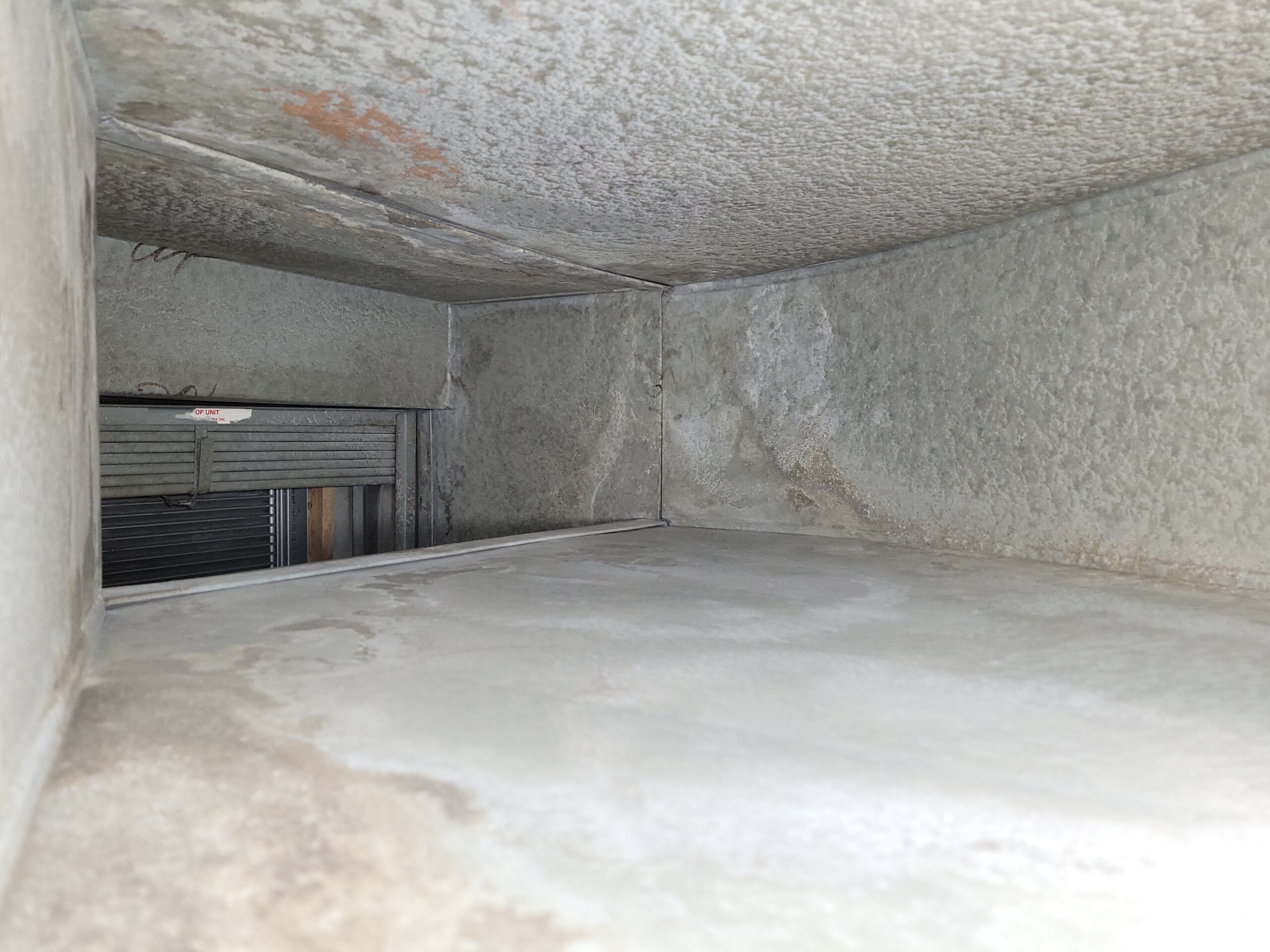
For verification, video or borescope images of turning vanes, transitions, and coil faces beat glamour shots of shiny sheet metal. Those locations collect the truth.
Edge cases that trip up even careful teams
Internally lined duct: Use soft brushes and controlled vacuum capture. If the liner sheds, stop and reassess. There are cases where replacing the worst sections is the only defensible move.
Asbestos and suspect mastics: Older adhesive and tape can hide surprises. If you do not have an environmental report, sample before cutting access. I have had one project pause for a week while we tested a suspicious seam sealant. It was the right choice.
Healthcare and labs: Infection control risk assessments rule the day. Containment, HEPA vacuums vented properly, and product approvals. Plan for more time on paperwork than on the brush.
Food service exhausts: Not the same trade as supply and return cleaning. Grease duct work follows NFPA standards and a separate cadence. Do not bundle it unless your vendor is qualified.
Condo boards and hospitality: Unitized systems change the math. Common area returns matter, but individual suites usually carry their own dirt. Focus your spend on shared infrastructure and on dryer exhausts, which are a real fire risk if ignored.
The data loop, not a one-off sprint
If you treat commercial duct cleaning like a one-and-done event, you get a single clean and a folder of photos. If you treat it like an asset program, you get compounding benefits. Tag main trunks and returns in your CMMS. Add QR codes at access doors that link to the last cleaning date, photos, and notes. Trend a few easy points from your building automation systems, namely supply fan speed, static setpoint, and filter delta-P. Build a small dashboard that shows which buildings are drifting up. The second year you do this, your budget narrative writes itself, and you stop arguing emotionally about what looks dirty. You show a plot.
The top four mistakes I still see
First, overcleaning low-impact runs because they are visible. The showpiece lobby might get all the love, while the mechanical mezzanine hides what really matters to static.
Second, buying sanitizer upsells without a defined need. If you did not discover mold growth, do not fog something because it sounds hygienic. Occupants smell it and do not appreciate the surprise.
Third, ignoring exhaust systems. Restroom and general exhaust ducts accumulate fine dust. If negative pressure is poor, you can push stale air back into spaces. Budget a little time here.
Fourth, forgetting to replace or reseal access doors. A poorly sealed panel is a permanent leak. On a large system, that ghosts a chunk of fan energy forever.
A short case, because stories beat theory
A real portfolio example, numbers rounded for anonymity. Seven buildings, about 1.4 million square feet total, mostly office with two retail podiums. We started with inspections at each AHU and main return trunks, a dozen borescope shots per building, and a week of pulling VFD trend data. Two buildings flagged high risk, both with older lined returns and steady creep in fan speed. One retail podium had visible grit in the lowest level returns.
We scheduled targeted cleaning in those three buildings only, paired with coil cleanings on nine AHUs. Work happened over four weeks, mostly nights. We replaced eight access doors that were leaky relics, resealed with proper gaskets, and added a few new ones for future service. We did not touch the other four buildings that looked fine in data and photos.
Results over the next month: average VFD speed dropped 6 to 9 percent on the serviced AHUs at similar outside air and load conditions. Fan kW tracked roughly in line with expectations. Filter delta-P flattened a bit, so we extended one site’s filter change by a month with no penalty. Complaints about “stuffy” on the lobby level of one tower fell off a cliff. The retail podium needed a second pass near a problem tenant who was propping service doors open, so we fixed the behavior, then cleaned again. The total program cost was just under 300,000 dollars. The energy savings money was not life changing, but the lease risk delta at those two towers was, and the operating team got hours of their life back because they were not fire-fighting odor tickets.
A year later, we repeated a light inspection sweep and decided against cleaning anywhere. That is a win. Programs that can say no when it is right are the ones you keep funding.
Pulling it together without turning it into busywork
A portfolio strategy for commercial duct cleaning is simple to describe and rewarding to run. Standardize how you look, prioritize where you act, and measure what changes. Tie cleaning to coil care, balancing, and outside air settings so improvements stick. Spend money where risk and return meet, not where dust happens to be photogenic. Guard against the temptations of overcleaning and miracle products. Communicate well, document honestly, and give yourself data that tells a story a CFO will respect.
You are not trying to make ducts museum-ready. You are trying to keep fans honest, tenants comfortable, and budgets predictable across a set of buildings that never line up perfectly. Done right, duct cleaning becomes one of those quiet programs that, once you set it in motion, makes the whole portfolio feel easier to manage. And there is nothing dusty about that.